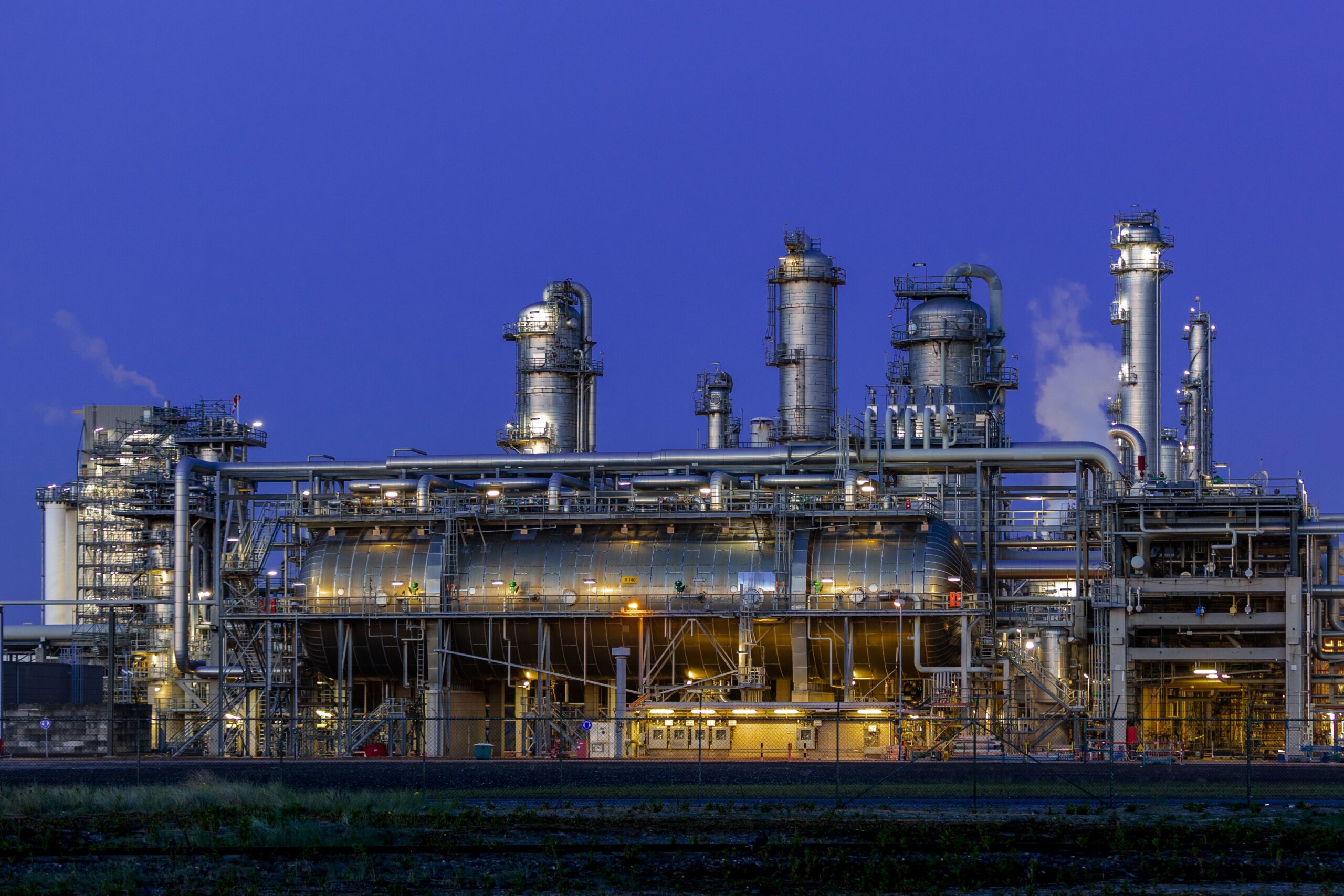
Industrial and Automotive Grease Selection Guide for Gulf Operations

Grease is the lubricant of choice for applications where oil would leak away, where relubrication intervals must be long, or where the lubricant needs to stay in place under gravity or vibration. From wheel bearings on heavy trucks to electric motor bearings in manufacturing plants, selecting the right grease for Gulf operating conditions is critical to equipment reliability.

How Grease Works

Grease is a semi-solid lubricant — base oil held in a thickener matrix (typically a metal soap) with an additive package. The thickener acts like a sponge, releasing oil to the contact surfaces as needed. The consistency of a grease (how thick or stiff it is) is measured on the NLGI scale from 000 (very fluid) to 6 (very hard).

NLGI Grades: Choosing the Right Consistency

  • NLGI 0 / 00: Very soft, used in centralised grease systems and some gearboxes
  • NLGI 1: Semi-soft, for slow-speed, high-load bearings and some centralized systems
  • NLGI 2: The most common grade — suitable for most automotive wheel bearings, industrial bearings, and general applications
  • NLGI 3: Stiffer, for applications where grease must resist being flung off by centrifugal force or where high temperatures are encountered

Grease Thickener Types and High-Temperature Performance

The thickener type determines a grease’s upper operating temperature and compatibility with other greases. In Gulf conditions, high dropping point is critical:

  • Lithium grease (Li): The standard multi-purpose grease. Dropping point around 180 degrees C. Suitable for most automotive and light industrial applications in Gulf conditions.
  • Lithium complex grease (Li-X): Higher dropping point (240+ degrees C), better oxidation resistance, water resistance and EP performance. Recommended for wheel bearings on heavy vehicles, high-temperature industrial bearings, and any application where temperatures regularly exceed 150 degrees C.
  • Calcium complex / Polyurea: For specialised high-temperature or food-grade applications.

EP (Extreme Pressure) Additives

EP greases contain additives (typically sulphur-phosphorus compounds) that form a protective film under the high contact pressures found in gear teeth, CV joints, and heavily loaded bearings. For automotive wheel hubs, truck fifth wheels, and industrial equipment subject to shock loads, always use a grease with EP (Extreme Pressure) rating.

Grease Compatibility Warning

Mixing greases of different thickener types can cause them to soften dramatically, losing their ability to stay in the bearing. Never mix greases unless compatibility has been confirmed. If changing grease type during a maintenance event, purge the old grease completely before refilling with the new product.

Over-Greasing: As Damaging as Under-Greasing

Over-greasing is one of the most common and costly lubrication mistakes. Excess grease in a bearing housing generates heat through churning, can force seals and cause contamination, and actually increases bearing temperature — the opposite of what you want. Always apply grease in the correct quantity for the bearing size and type.

Rovex manufactures a complete range of industrial and automotive greases — lithium, lithium complex, and EP-rated products for Gulf operating conditions. Contact our team for technical advice on the right grease for your application.

Frequently Asked Questions

How do I select the right grease for Gulf operations?

Choose grease by its base oil viscosity, thickener type and NLGI consistency grade, matched to load, speed and temperature. In hot Gulf conditions a grease with strong high-temperature and water-resistance performance is usually preferred. Follow the equipment maker’s specification.

What does the NLGI grade of a grease mean?

The NLGI number describes how stiff or soft a grease is, from very fluid (000) to hard (6). NLGI 2 is the most common general-purpose grade. The right consistency depends on the application and dispensing method.

Can different greases be mixed?

Mixing greases with incompatible thickeners can cause softening or hardening and loss of protection. When changing grease type, purge the old grease out rather than mixing.

Related from Rovex: high-performance greases · marine lubricants · view all products

7 Questions to Ask Before Choosing a Lubricant Supplier in Saudi Arabia

Choosing a lubricant supplier in Saudi Arabia or the wider GCC is not simply a matter of finding the cheapest price per litre. The right supplier is a technical partner — one that ensures product quality, supply reliability, and technical support across your operations. The wrong supplier can cost you far more in equipment failures and downtime than you ever save on oil price.

1. Do You Manufacture or Resell?

Many distributors in the region resell imported branded lubricants or locally produced products they do not manufacture themselves. A supplier with its own blending plant has direct control over product quality, consistency, and formulation. Ask to visit the facility, or at minimum ask for documentation of their manufacturing process and quality control procedures.

2. What Certifications Do Your Products Carry?

Reputable lubricants carry API certification, and often OEM approvals from manufacturers such as Mercedes-Benz, Volvo, MAN, or Caterpillar. Ask for the technical data sheet (TDS) for every product you intend to use — a legitimate supplier provides these without hesitation. Be cautious of suppliers who cannot provide TDS or who claim broad approval without documentation.

3. Can You Guarantee Consistent Supply?

For fleet operators and industrial facilities, lubricant supply interruptions cause real operational problems. Ask about the supplier’s stock levels, lead times, and contingency for high-demand periods. A supplier manufacturing in-country has a natural advantage here over one relying on imported stock.

4. What Technical Support Do You Provide?

Good lubricant suppliers offer more than product delivery. They can advise on product selection, recommend rationalisation of your lubricant inventory (reducing the number of different products you stock), interpret oil analysis results, and troubleshoot lubrication-related equipment problems. Ask specifically what technical support is included as part of the supply relationship.

5. What Are Your Minimum Order Quantities?

Some suppliers only serve large-volume industrial accounts. Others are set up for workshop and fleet supply at smaller volumes. Make sure the supplier’s MOQ and packaging options match your operational needs — whether you need 20-litre drums, 200-litre barrels, or bulk tank supply.

6. How Do You Handle Product Quality Complaints?

Ask directly: if a batch of oil causes equipment problems, what is the process? A confident supplier has a clear quality complaint procedure, keeps batch records, and will investigate and resolve genuine quality issues. Vague answers to this question are a warning sign.

7. Do You Offer Oil Analysis Services?

Oil analysis — sending used oil samples to a laboratory for condition monitoring — is one of the most cost-effective tools for fleet and industrial maintenance. Suppliers who offer or facilitate oil analysis are invested in your equipment reliability, not just selling product volume.

Rovex Lubricants manufactures its full product range at its own blending plant in Saudi Arabia using German-formulated technology. Every product carries full API certification and comes with complete technical documentation. Contact the Rovex team to discuss your lubricant supply requirements, or browse our full product range.

Frequently Asked Questions

How do I choose a reliable lubricant supplier in Saudi Arabia?

Look for a supplier with genuine, correctly specified products, consistent stock, technical support and clear documentation such as data sheets and API/OEM approvals. Reliable delivery and batch traceability matter as much as price for fleets and industrial buyers.

What certifications should a lubricant supplier provide?

Ask for product data sheets, safety data sheets and evidence of API service categories or OEM approvals relevant to your equipment. These confirm the product meets the specification your machinery requires.

Should I buy lubricants in bulk?

Bulk purchasing lowers unit cost and secures supply for high-volume users, provided you have suitable, clean storage. Match order size to turnover so products are used within their shelf life.

Related from Rovex: lubricant supply & distribution · base oils · view all products

Mineral vs Synthetic Engine Oil: Which Is Right for Your Fleet?

The choice between mineral and synthetic engine oil is one of the most common questions from fleet managers and workshop owners across the Gulf and Africa. The honest answer: there is no single right answer for every situation. The best oil for your fleet depends on engine age, operating conditions, drain interval requirements, and total cost of ownership — not marketing claims.

What Is Mineral Engine Oil?

Mineral engine oil is refined directly from crude oil. It contains a complex mix of hydrocarbon molecules of varying sizes and structures, along with an additive package that provides detergency, anti-wear protection, oxidation resistance, and viscosity stability. Mineral oil has been the backbone of engine lubrication for over a century and remains the right choice for millions of engines worldwide.

What Is Fully Synthetic Engine Oil?

Fully synthetic engine oil is manufactured through chemical synthesis, producing highly uniform hydrocarbon molecules with precisely controlled properties. This uniformity delivers superior performance across a wider temperature range, better thermal stability, longer drain intervals, and lower engine friction compared to mineral oil.

Key Differences: Performance in Gulf and African Conditions

  • High-temperature stability: Synthetic oil maintains viscosity better at 130-140 degrees C operating temperatures common in Gulf conditions. Mineral oil thins more rapidly, increasing the risk of film breakdown.
  • Cold start protection: Less relevant in the Gulf, but significant in high-altitude African routes where overnight temperatures can be low.
  • Drain intervals: Synthetic allows 10,000-15,000 km intervals. Mineral typically requires 5,000-7,500 km. Longer intervals matter for remote-area fleets where servicing infrastructure is limited.
  • Engine cleanliness: Synthetic oils generally keep engines cleaner, reducing deposit build-up and extending engine life.

When Mineral Oil Is the Better Choice

Mineral oil is not an inferior product — it is the right product in the right application. Choose mineral engine oil when:

  • The engine was designed for mineral oil and has been running on it for years (switching to synthetic in high-mileage engines can cause seal leakage)
  • Frequent drain intervals are already built into your maintenance schedule and the cost premium of synthetic is not justified
  • The operating conditions are moderate and within the engine design envelope
  • Cost is the primary constraint and the engine type does not benefit significantly from synthetic

When Synthetic Is Worth the Premium

Invest in fully synthetic engine oil when:

  • Vehicles operate under sustained high load in extreme heat — construction equipment, long-haul trucks, buses in the Gulf
  • Extended drain intervals are operationally important (remote fleets, limited service infrastructure)
  • The engine manufacturer specifies synthetic (most modern European and Japanese engines do)
  • You are running a mixed fleet and want to rationalise to a single premium lubricant that covers all applications

Semi-Synthetic: The Middle Ground

Semi-synthetic (also called part-synthetic) engine oils blend mineral base stocks with synthetic components. They offer better high-temperature performance than pure mineral oil, with drain intervals typically in the 7,500-10,000 km range, at a lower cost than fully synthetic. For many Gulf fleet operators running mixed-age vehicles, semi-synthetic 10W-40 is the practical all-round choice.

Rovex offers mineral, semi-synthetic, and fully synthetic engine oils across a full range of viscosity grades and API specifications. Contact our team for a product recommendation tailored to your fleet.

Frequently Asked Questions

Is mineral or synthetic engine oil better for a fleet?

Synthetic oil offers better thermal stability and longer drain intervals, which can lower total cost and downtime across a fleet. Mineral oil has a lower purchase price and can suit older or lightly loaded engines. The best choice depends on duty cycle and OEM requirements.

Can I switch a fleet from mineral to synthetic oil?

Yes, most engines can switch to a synthetic of the correct specification, and there is no need to run mineral oil first. Confirm the required API and viscosity grade and monitor for leaks on older seals after the change.

Does synthetic oil really extend drain intervals?

Synthetic oils generally resist oxidation longer, which can support extended drains, but the safe interval still depends on the engine, fuel quality and operating conditions. Validate any extended interval with oil analysis before adopting it fleet-wide.

Related from Rovex: fleet lubricants range · premium engine oils · view all products

Industrial Lubricant Maintenance Schedule: Reducing Downtime in Gulf Manufacturing

Unplanned equipment downtime in manufacturing costs money — lost production, emergency repairs, and accelerated asset depreciation. A disciplined lubrication maintenance schedule is one of the most cost-effective ways to reduce breakdowns and extend equipment life, particularly in the hot, dusty operating environments common across Gulf manufacturing facilities.

Why Lubrication Is the Foundation of Equipment Reliability

Studies consistently show that 40-50 percent of premature bearing failures are lubrication-related — either wrong lubricant, insufficient quantity, wrong interval, or contamination. In industrial facilities operating continuous shifts in Saudi Arabia and the GCC, the consequences of lubricant failure are amplified by high operating temperatures and the difficulty of sourcing replacement parts quickly.

Building a Lubrication Maintenance Schedule

A practical lubrication schedule covers four elements for every lubricated point in the facility:

  • What lubricant: The specific product, grade, and specification required for that application
  • How much: The correct quantity — over-greasing is as damaging as under-greasing
  • How often: The relubrication interval based on operating conditions, not just the equipment manual
  • How to apply: The method — grease gun, oil can, centralised system, or automatic lubricator

Adjusting Intervals for Hot-Climate Industrial Conditions

Equipment manuals are typically written for moderate operating conditions. In Gulf facilities where ambient temperatures are 35-50 degrees C and equipment runs continuously, standard intervals need adjustment. A bearing that the manual says to relubricate monthly may need attention every two to three weeks. Oil analysis is the most reliable way to set correct intervals — let the oil condition dictate the schedule rather than time or mileage alone.

Common Industrial Lubricant Applications and Recommended Products

  • Electric motor bearings: NLGI 2 lithium complex grease, high-temperature rated
  • Gearboxes and reducers: ISO VG 220 or 320 industrial gear oil, GL-4 rated
  • Hydraulic systems: ISO VG 46 or 68 anti-wear hydraulic oil
  • Compressors: Dedicated compressor oil matched to compressor type (reciprocating vs rotary screw)
  • Chains and open gears: Bituminous or adhesive chain lubricant

Contamination Control: The Silent Lubricant Killer

Dust contamination is a major challenge in Gulf industrial environments. A particle as small as 10 microns can cause significant bearing wear. Best practices include sealed lubricant storage, filtered transfer equipment, keeping grease fittings clean before applying, and using closed-loop centralised lubrication systems where possible.

Setting Up a Lubricant Supplier Relationship

For industrial facilities with complex lubrication needs, a supplier relationship that goes beyond product supply adds real value. Technical support for product rationalisation (reducing the number of lubricant types in use), on-site audits, and oil analysis programmes all reduce cost and risk.

Rovex supplies a complete range of industrial lubricants and industrial greases across the Gulf region. Our technical team can help you build a lubrication schedule tailored to your facility. Get in touch to arrange a consultation.

Frequently Asked Questions

How often should industrial lubricants be replaced?

Replacement intervals depend on the lubricant type, load, temperature and contamination level. A condition-based schedule using oil analysis is more reliable than a fixed calendar interval, especially in hot, dusty operations.

What is a lubricant maintenance schedule?

It is a documented plan that sets what to lubricate, with which product, how much and how often, plus inspection and oil-analysis points. A clear schedule reduces unplanned downtime and extends equipment life.

Why does oil analysis matter for industrial equipment?

Oil analysis detects wear metals, contamination and additive depletion before they cause failure. It lets you change oil based on actual condition and catch developing faults early.

Related from Rovex: fleet lubricants range · industrial lubricants · view all products

Hydraulic Fluid Selection Guide for Construction Equipment in Saudi Arabia

Construction sites in Saudi Arabia and the wider GCC operate in some of the most demanding hydraulic fluid conditions in the world: ambient temperatures above 45 degrees C, continuous duty cycles, dusty environments, and equipment that often runs 12+ hours per day. Selecting the right hydraulic fluid directly impacts equipment uptime, component life, and operating costs.

How Hydraulic Systems Work and Why Fluid Quality Matters

Hydraulic systems transmit power through pressurised fluid. The fluid must lubricate pumps, motors, and valves, transfer heat away from components, resist oxidation and foaming, and maintain consistent viscosity across a wide temperature range. A failure in any of these functions causes system inefficiency, component wear, or sudden failure — often at the most inconvenient time on site.

Hydraulic Fluid Viscosity for Hot Climates

The ISO VG (Viscosity Grade) system classifies hydraulic fluids. The most common grades for construction equipment are:

  • ISO VG 32: Low-viscosity fluid for systems operating at lower pressures or with high ambient temperatures where a thinner fluid improves flow and efficiency.
  • ISO VG 46: The most widely used grade for general construction equipment in temperate and warm climates.
  • ISO VG 68: For high-pressure systems, heavy equipment, and applications with sustained high operating temperatures — the preferred choice for many construction sites in Saudi Arabia and the UAE.

High-Temperature Hydraulic Fluid Performance

In Saudi Arabia and Gulf conditions, hydraulic systems routinely operate at fluid temperatures of 70-90 degrees C. At these temperatures, inferior hydraulic fluids oxidise rapidly, forming varnish deposits on valve surfaces and sludge in the reservoir. High-quality hydraulic fluids with a robust additive package — anti-wear (AW) additives, oxidation inhibitors, and anti-foam agents — maintain performance and protect components under sustained heat.

Hydraulic Fluid Change Intervals in Hot Climates

Standard hydraulic fluid change intervals of 2,000-4,000 operating hours are often too long for Gulf construction conditions. In sustained high-temperature operation, consider oil analysis at 1,500 hours and changing at 2,000 hours or when analysis shows increased oxidation or contamination. Keeping the reservoir clean, the fluid cool, and filters maintained is as important as fluid quality itself.

Choosing a Hydraulic Fluid Supplier

For construction contractors operating multiple machines across the GCC, consistent fluid quality and reliable supply are critical. A supplier that can provide technical data sheets, viscosity certification, and volume supply agreements reduces procurement complexity and the risk of mixing incompatible fluids across your fleet.

Rovex manufactures a full range of hydraulic fluids formulated for Gulf operating conditions — available in ISO VG 32, 46, and 68. Contact us for volume pricing and technical support.

Frequently Asked Questions

How do I choose the right hydraulic fluid viscosity grade?

Hydraulic fluids are graded by ISO VG number (for example VG 32, 46 or 68). Higher ambient temperatures usually call for a higher VG grade to maintain film strength. Match the grade to the equipment manufacturer’s specification and operating temperature range.

What causes hydraulic fluid to fail on construction sites?

Contamination from dust and water, plus heat, are the main causes of hydraulic fluid failure. Good filtration, sealed reservoirs and regular fluid analysis extend service life significantly in harsh site conditions.

Can I mix different hydraulic fluids?

Mixing different hydraulic fluids is not recommended, as additive packages can be incompatible and reduce performance. If a change is needed, flush the system and refill with the specified fluid.

Related from Rovex: hydraulic fluids · chain & wire rope oils · view all products

Gear Oil Guide for Heavy Transport and Trucking in the Middle East

Heavy transport in the Middle East — long-haul trucking, tanker fleets, and construction haulage — places exceptional stress on gearboxes, differentials, and axles. The right gear oil keeps drivetrain components running cool, quiet, and protected. The wrong one leads to premature wear, overheating, and costly breakdowns in remote locations.

What Gear Oil Does and Why It Matters

Gear oil lubricates the meshing surfaces of gears, bearings, and seals inside gearboxes, differentials, and transfer cases. Unlike engine oil, gear oil must handle extreme pressure (EP) conditions — the concentrated, high-load contact between gear teeth — while also resisting foaming, oxidation, and thermal breakdown over long periods.

Gear Oil Viscosity Grades Explained

Gear oil viscosity uses the SAE J306 standard, with grades such as 75W-90, 80W-90, and 85W-140. The second number again indicates high-temperature performance:

  • 75W-90 (Synthetic): Excellent for modern synchronized gearboxes. Lower viscosity reduces friction and improves fuel efficiency.
  • 80W-90 (Mineral/Semi-synthetic): The workhorse grade for conventional gearboxes and differentials across Gulf fleets. Widely available, cost-effective.
  • 85W-140: For heavy-duty axles and differentials under high load in hot climates. Common in long-haul trucks operating in Saudi Arabia and across the GCC.

API GL Ratings for Gear Oil

API GL ratings classify gear oil by the severity of conditions it handles. GL-4 is for most manual gearboxes and some differentials. GL-5 is for hypoid differentials (rear axles) under high-torque, high-speed conditions — the standard for most commercial truck differentials. Always confirm the required GL rating with your vehicle or equipment manufacturer, as using GL-5 in a gearbox designed for GL-4 can damage brass and bronze synchromesh components.

Gear Oil Change Intervals for Middle East Fleets

Manufacturer-recommended drain intervals for gear oil typically range from 40,000 to 100,000 km depending on the application. In Middle East conditions — sustained high temperatures, heavy loads, and dusty environments — err toward the shorter end. For many fleet operators running long-haul routes, an 80W-90 GL-5 mineral gear oil changed every 40,000-50,000 km offers the best balance of protection and cost.

Common Gear Oil Problems in Hot Climates

  • Oxidation and thickening: Gear oil exposed to sustained high temperatures oxidises, thickens, and loses its protective properties. Use oils with strong oxidation inhibitors.
  • Seal degradation: Low-quality gear oils can attack rubber seals, causing leaks. Quality gear oils are formulated for seal compatibility.
  • Foaming: Common when oil levels are incorrect or when the gearbox overheats. Foamed oil has greatly reduced lubricating ability.

Rovex offers a complete range of gear oils for manual gearboxes, differentials, and axles — German-formulated and available in grades suited to Gulf operating conditions. Contact our technical team for a recommendation for your specific vehicle or fleet.

Frequently Asked Questions

What gear oil is best for heavy transport in the Middle East?

Heavy transport typically needs an API GL-5 gear oil in a viscosity such as 80W-90 or 85W-140 for hot, high-load conditions. Confirm the exact grade and specification against the axle or gearbox manufacturer’s requirements.

What does the API GL rating mean on gear oil?

The API GL rating indicates the level of extreme-pressure protection. GL-4 suits many manual transmissions, while GL-5 provides higher protection for hypoid axles under heavy load. Using the wrong rating can damage some components, so match it to the OEM spec.

How often should gear oil be changed in heavy trucks?

Gear oil is changed far less often than engine oil, but heat and heavy loading shorten its life. Follow the manufacturer’s service interval and inspect for contamination or a burnt smell, which signal an earlier change.

Related from Rovex: heavy-duty gear oils · transmission fluids · view all products

Best Engine Oil for Hot Climates: A Guide for Gulf and African Drivers

Driving in Saudi Arabia, the UAE, or across sub-Saharan Africa puts unique demands on engine oil. Temperatures exceed 45 degrees C, roads alternate between highway and rough terrain, and vehicles run at high load for extended periods. This guide explains how to choose the right engine oil for hot-climate operation.

Why Heat Is the Enemy of Engine Oil

Engine oil maintains a protective film between moving metal surfaces. At high temperatures, oil thins and if it thins too far, that film breaks down. Metal-to-metal contact causes wear, and the oil degrades rapidly. In hot climates this process accelerates — oil temperatures can reach 130-140 degrees C under load in Gulf conditions.

Understanding Viscosity Grades for Hot Weather

Viscosity is expressed as a two-number grade such as 10W-40 or 15W-40. The second number describes viscosity at operating temperature — and in hot climates, it matters most. A higher second number means the oil stays thicker at high temperatures.

  • 10W-40 / 15W-40: The standard choice for Gulf and African conditions. Maintains adequate viscosity under sustained heat.
  • 20W-50: Recommended for older engines, high-mileage vehicles, or when oil temperatures consistently exceed 130 degrees C.
  • 5W-30 / 10W-30: Better for cooler climates and newer engines with tight tolerances — may thin excessively in extreme heat.

Fully Synthetic vs Mineral Engine Oil in Hot Climates

Fully synthetic oils resist thermal breakdown better, maintain viscosity more consistently, and last longer between changes. Mineral and semi-synthetic oils are cost-effective and perform well in older diesel engines and high-mileage fleets. For fleet operators in remote areas where servicing is infrequent, fully synthetic is worth the premium — longer drain intervals reduce total cost of ownership.

API Ratings: CK-4, SN and CF Explained

API ratings tell you what engine type an oil is designed for. API SN/SP is for modern petrol engines. API CK-4 is the current standard for modern diesel engines, while CF-4 is widely used for older commercial diesel across the Gulf and Africa. Always match the rating to your engine type.

Special Considerations for African Road Conditions

Operating across East, West, or Southern Africa adds challenges beyond heat: dust ingestion, variable fuel quality, extended drain intervals, and heavy loads on rough roads. These conditions demand oils with strong detergent additives, high TBN to neutralise acids from lower-quality fuels, and robust shear stability.

How Often to Change Engine Oil in Hot Climates

  • Mineral oil in extreme heat: every 5,000 km or 3 months
  • Semi-synthetic in Gulf conditions: every 7,500 km
  • Fully synthetic in hot-climate highway use: up to 10,000 km depending on application

Rovex engine oils are formulated to German engineering standards and tested for Gulf and African operating environments. Explore our engine oil range or contact us for a recommendation matched to your application.

Frequently Asked Questions

What engine oil viscosity is best for hot Gulf climates?

In consistently high ambient temperatures, a higher-temperature grade such as 5W-40, 10W-40 or 20W-50 holds its film strength better than thin low-temperature oils. Always follow the viscosity range in your vehicle handbook, as the correct grade depends on the engine and operating load.

Is synthetic oil better than mineral oil in extreme heat?

Fully synthetic oils generally resist thermal breakdown and oxidation better than mineral oils, so they hold viscosity longer in extreme heat. For severe-duty or high-mileage engines in the Gulf, a synthetic or semi-synthetic is usually the safer choice.

How often should I change engine oil in hot climates?

Heat, dust and stop-start driving shorten oil life, so many operators in hot, dusty regions shorten the interval below the standard recommendation. Use the OEM interval as a maximum and shorten it for severe conditions.

Related from Rovex: premium engine oils · coolants & antifreeze · view all products

Rovex Expands Premium Lubricant Supply Across the Gulf Region

Rovex Lubricants is proud to announce the expansion of its premium lubricant supply network across the Gulf Cooperation Council (GCC) region. As a trusted lubricant brand based in Modon Industrial Area One, Saudi Arabia, Rovex has been serving the automotive, industrial, and marine sectors with high-quality lubrication solutions since its establishment.

Growing Demand Across the Gulf

The demand for high-performance lubricants across the Gulf region has seen significant growth in recent years, driven by rapid industrialization, expanding automotive fleets, and increasing infrastructure development. Rovex has responded to this growing demand by expanding its product range and distribution network to ensure faster and more reliable supply to customers across Saudi Arabia, the UAE, Kuwait, Bahrain, Qatar, and Oman.

Expanded Product Range

As part of this expansion, Rovex has introduced several new product lines to its catalog including advanced fully synthetic engine oils, high-performance gear oils for heavy equipment, specialized marine lubricants for offshore applications, and environmentally friendly cutting and metalworking fluids.

All Rovex products are formulated to meet or exceed the latest API, SAE, and OEM specifications, ensuring compatibility with the widest range of engines and industrial equipment available in the market today.

Commitment to Quality

Quality is at the heart of everything Rovex does. Our lubricants undergo rigorous testing at every stage of production to ensure they meet the highest international standards. We work closely with our technical partners to continuously improve our formulations and develop new products that address the evolving needs of our customers.

Distributor Partnership Program

Rovex is actively seeking qualified distributors across the Gulf region to join our growing network. We offer competitive margins, technical training, marketing support, and reliable supply chain management to all our distribution partners. Whether you are an established lubricant distributor or looking to enter the market, Rovex offers an exciting partnership opportunity with a trusted and growing brand.

Get In Touch

If you are interested in distributing Rovex products in your region or would like to place a bulk order for your business, we invite you to contact our sales team today. Visit our website at rovexlube.com or reach us directly at sales@rovexlube.com or call us at

+(966) 57-0618485.

We look forward to serving you with the best lubrication solutions in the Gulf region.

Top 5 Benefits of Using High-Quality Industrial Lubricants

In any industrial operation, the performance and lifespan of machinery depend heavily on the quality of lubricants used. Many businesses underestimate the importance of choosing the right industrial lubricant, often opting for cheaper alternatives that end up costing far more in the long run. Here are the top five benefits of investing in high-quality industrial lubricants.

  1. Reduced Equipment Downtime

One of the biggest costs in any industrial operation is unplanned downtime caused by equipment failure. High-quality lubricants create a protective film between moving parts, significantly reducing friction and wear. This means your machinery runs smoother for longer, reducing the risk of unexpected breakdowns and costly production halts.

Studies show that proper lubrication can reduce equipment downtime by up to 30 percent, translating directly into higher productivity and profitability for your business.

  1. Extended Machine Life

Premium industrial lubricants contain advanced additive packages that protect metal surfaces from corrosion, oxidation, and wear. By maintaining a consistent protective barrier, these lubricants extend the operational life of your equipment, delaying the need for expensive replacements and major overhauls.

For heavy industries operating in the Gulf region where extreme temperatures and dusty environments are common, this protection is especially critical.

  1. Improved Energy Efficiency

Friction is one of the major causes of energy loss in industrial machinery. High-quality lubricants with low friction formulations allow machines to operate with less energy input, resulting in measurable fuel and electricity savings. Over time, these savings can significantly offset the cost of premium lubricants.

  1. Better Performance in Extreme Conditions

Industrial operations in Saudi Arabia and the Gulf region often face extreme heat, humidity, and dust. Standard lubricants may break down or lose their effectiveness under these conditions. High-quality industrial lubricants are formulated with thermal stability additives that maintain their protective properties even in temperatures exceeding 100 degrees Celsius.

  1. Lower Maintenance Costs

When machinery is properly lubricated, the frequency and cost of maintenance activities decrease significantly. Fewer parts need replacement, service intervals can be extended, and the overall cost of maintaining your equipment drops considerably. The initial investment in quality lubricants pays for itself many times over in reduced maintenance expenses.

Rovex Industrial Lubricants

Rovex offers a comprehensive range of industrial lubricants designed for the demanding conditions of Gulf region industries. From compressor oils and hydraulic fluids to gear oils and specialty greases, our products meet international standards and are trusted by businesses across Saudi Arabia and beyond.

Contact our technical team today for a free lubrication audit and product recommendation for your facility.

How to Choose the Right Engine Oil for Your Vehicle

Rovex Lubricants is proud to announce the expansion of its premium lubricant supply network across the Gulf Cooperation Council (GCC) region. As a trusted lubricant brand based in Modon Industrial Area One, Saudi Arabia, Rovex has been serving the automotive, industrial, and marine sectors with high-quality lubrication solutions since its establishment.


Growing Demand Across the Gulf


The demand for high-performance lubricants across the Gulf region has seen significant growth in recent years, driven by rapid industrialization, expanding automotive fleets, and increasing infrastructure development. Rovex has responded to this growing demand by expanding its product range and distribution network to ensure faster and more reliable supply to customers across Saudi Arabia, the UAE, Kuwait, Bahrain, Qatar, and Oman.


Expanded Product Range


As part of this expansion, Rovex has introduced several new product lines to its catalog including advanced fully synthetic engine oils, high-performance gear oils for heavy equipment, specialized marine lubricants for offshore applications, and environmentally friendly cutting and metalworking fluids.


All Rovex products are formulated to meet or exceed the latest API, SAE, and OEM specifications, ensuring compatibility with the widest range of engines and industrial equipment available in the market today.


Commitment to Quality


Quality is at the heart of everything Rovex does. Our lubricants undergo rigorous testing at every stage of production to ensure they meet the highest international standards. We work closely with our technical partners to continuously improve our formulations and develop new products that address the evolving needs of our customers.


Distributor Partnership Program


Rovex is actively seeking qualified distributors across the Gulf region to join our growing network. We offer competitive margins, technical training, marketing support, and reliable supply chain management to all our distribution partners. Whether you are an established lubricant distributor or looking to enter the market, Rovex offers an exciting partnership opportunity with a trusted and growing brand.


Get In Touch


If you are interested in distributing Rovex products in your region or would like to place a bulk order for your business, we invite you to contact our sales team today. Visit our website at rovexlube.com or reach us directly at sales@rovexlube.com or call us at +966 (59) 148 3391.


We look forward to serving you with the best lubrication solutions in the Gulf region.